Lipedema treatment: what actually helps
There’s no cure yet — but the right combination can reduce pain, slow progression, and help you feel like yourself again. Here’s the honest picture.
- Researched against current medical guidelines
- Every claim sourced & linked to a named authority
- Independent — we don’t sell surgery
- Not a substitute for your doctor.
Lipedema has no cure, but treatment can meaningfully reduce pain and swelling and slow progression. Care has two layers: conservative therapy for everyone (compression, manual lymphatic drainage, exercise, anti-inflammatory eating, skin care) and, for some, liposuction to remove abnormal fat. Newer GLP-1 medications are being studied.
On this page
Can lipedema actually be cured?
No cure exists — and promises otherwise are red flags
You’ll see claims to 'cure' or 'melt' lipedema fat. None are proven. Treatment manages the condition and slows its progression; surgery reduces the abnormal fat but does not eliminate lipedema. Be wary of anything promising a cure — see our scams page for what to watch out for.
That said, 'no cure' does not mean 'nothing helps.' Many people with lipedema feel dramatically better with the right combination of care. The goal is less pain, less swelling, maintained mobility, and slowing how the condition progresses over time.
Conservative care: the foundation for everyone
Conservative therapy is the starting point for every person with lipedema — regardless of stage, budget, or whether surgery is ever considered. It is also usually required for at least 3 months before insurers will approve surgery. (Herbst et al., Standard of Care, 2021)
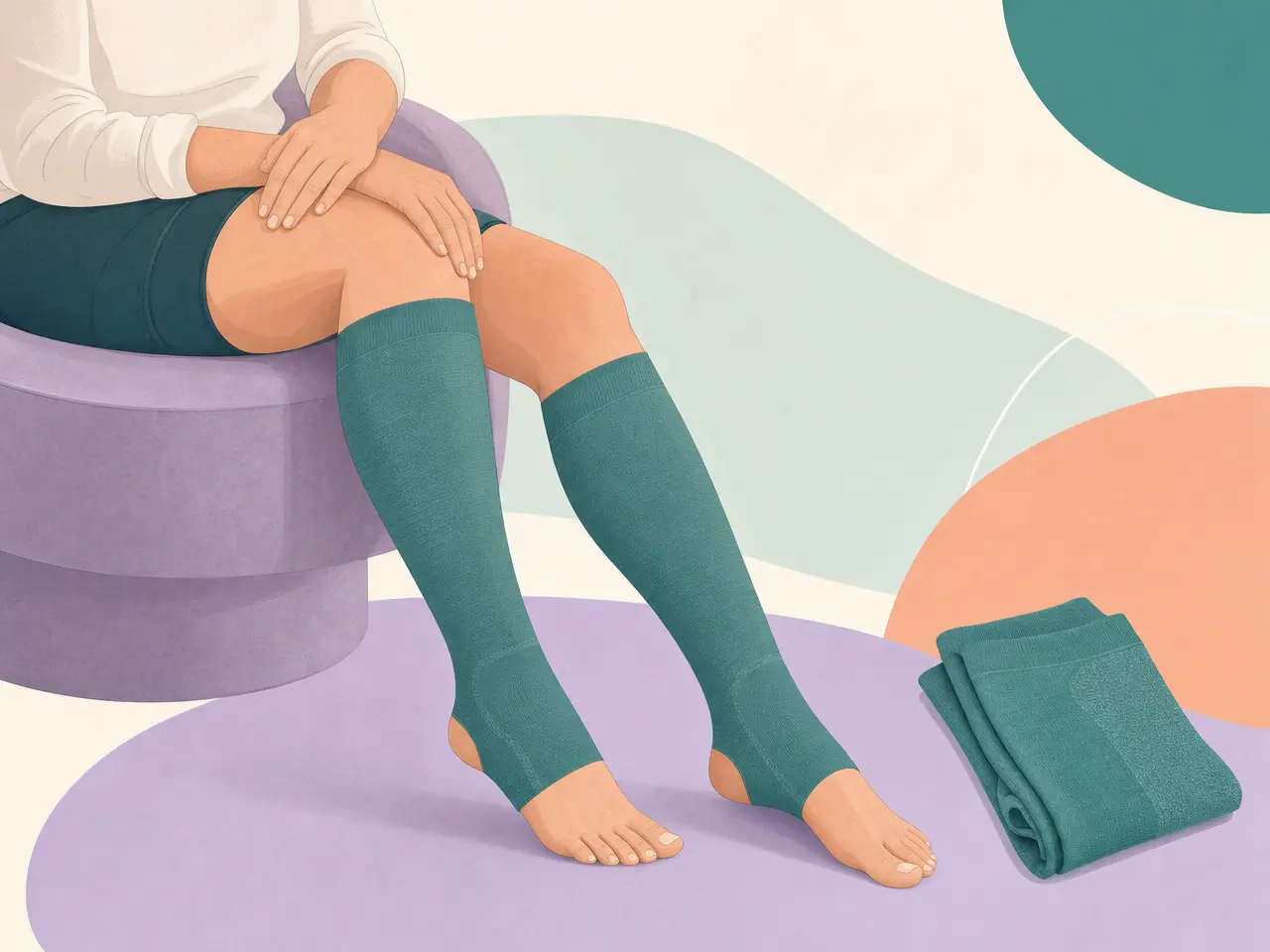
Compression garments
Flat-knit, made-to-measure garments reduce pain, heaviness, and swelling while worn. The cornerstone of daily management.
Manual lymphatic drainage (MLD)
Gentle skin-stretching massage to ease pain and support lymph flow. Especially important once lymphedema is also present.
Exercise
Low-impact movement — swimming, walking, cycling, rebounding — supports circulation without jarring the tissue.
Anti-inflammatory eating
A low-inflammatory diet may reduce pain and non-lipedema fat, though it does not remove lipedema fat.
Surgery: the only way to remove lipedema fat

Lymph-sparing liposuction is the only treatment that actually removes lipedema fat tissue. Studies show it can substantially reduce pain, heaviness, and bruising, and improve mobility and quality of life. (Herbst et al., 2021)
Surgery is a reduction, not a cure. Conservative care continues afterward, most people need 2–4 staged procedures, and fat can still accumulate in untreated areas. Not everyone is a candidate — it requires a confirmed diagnosis and documented conservative care.
Explore the surgery section:
Medications and emerging options
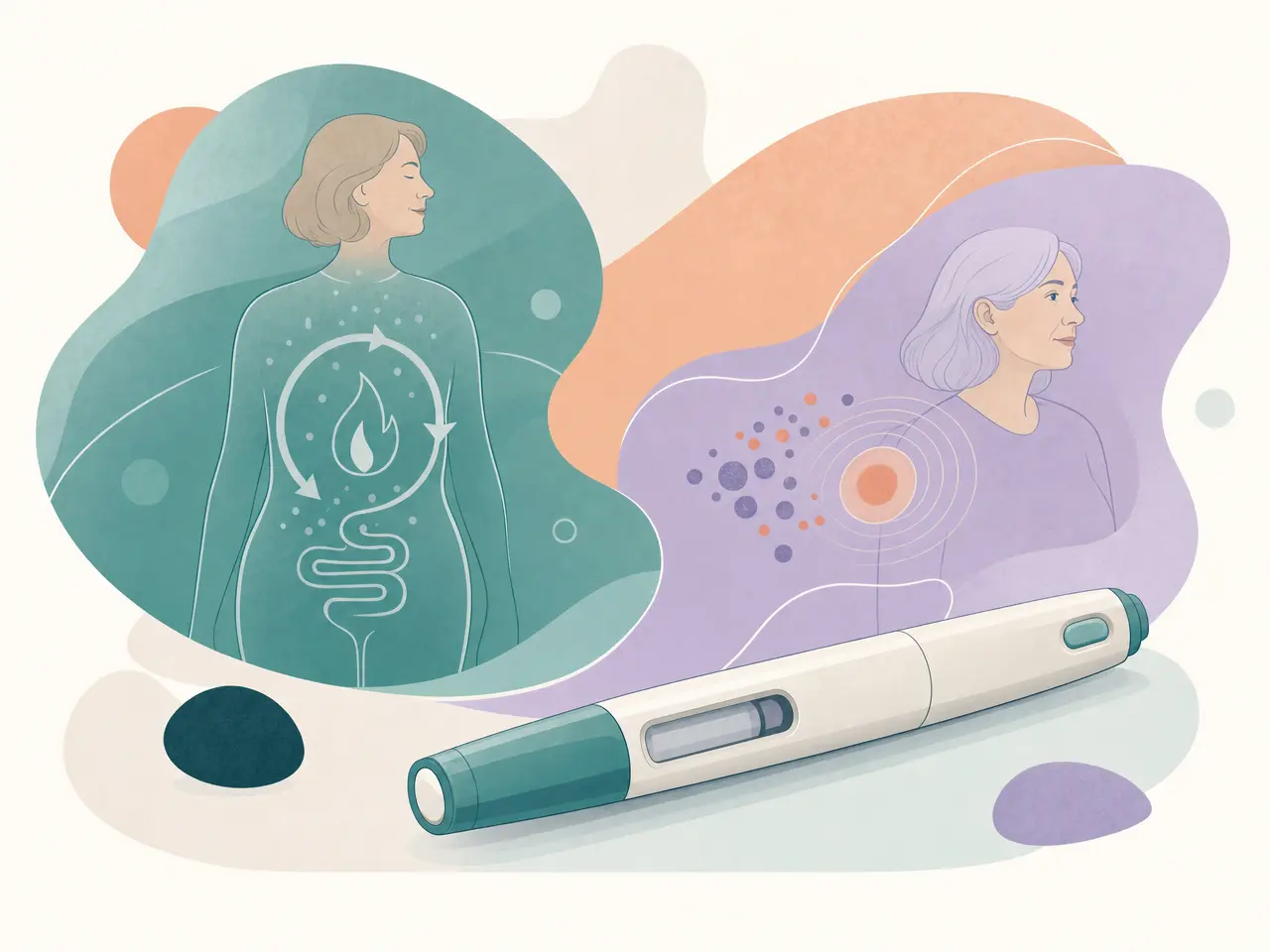
GLP-1 drugs: off-label, promising but unproven for lipedema
Medicines like semaglutide (Ozempic/Wegovy) and tirzepatide (Mounjaro/Zepbound) are not FDA-approved for lipedema and have no completed randomized trial in this condition. Early reports suggest they may reduce pain and inflammation, but the fibrotic lipedema fat itself tends to resist. They are not a substitute for surgery or conservative care.
What should I try first?
Add one therapy at a time so you know what helps. A sensible order:
- 1 Confirm your diagnosis — start with a clinician who recognises lipedema (see our get diagnosed guide).
- 2 Compression every day — flat-knit, made-to-measure garments are the highest-impact daily intervention.
- 3 Move gently and consistently — low-impact exercise most days.
- 4 Shift your eating pattern — anti-inflammatory, minimally processed foods reduce pain for many (though not all) people.
- 5 Add MLD — especially if you have swelling or diagnosed lymphedema.
- 6 Consider surgery — if conservative care isn't reducing your symptom burden after 3–6 months, talk to a lipedema-specialist surgeon.
Seek urgent care for sudden one-sided swelling
If you develop sudden swelling on one side only, or skin that is red, hot, and painful with a fever, seek urgent medical care — these can signal a blood clot or cellulitis (skin infection).
Tools to help you take the next step
Sources
- Herbst KL et al. — US Standard of Care, Phlebology 2021 journals.sagepub.com
- Lipedema Foundation lipedema.org